
01
Hurricane Roof Damage Inspections
A close look at the roof surface, edges, flashing, vents, and attic for wind and water damage. You get a clear explanation of what we found and what it means for your roof.
Roof inspectionsWhen hurricane winds and heavy rain damage your roof, H.E. Roberts Roofing helps homeowners across Milton, Pensacola, Pace, Gulf Breeze, Navarre, and surrounding communities assess the damage and understand their repair or replacement options.
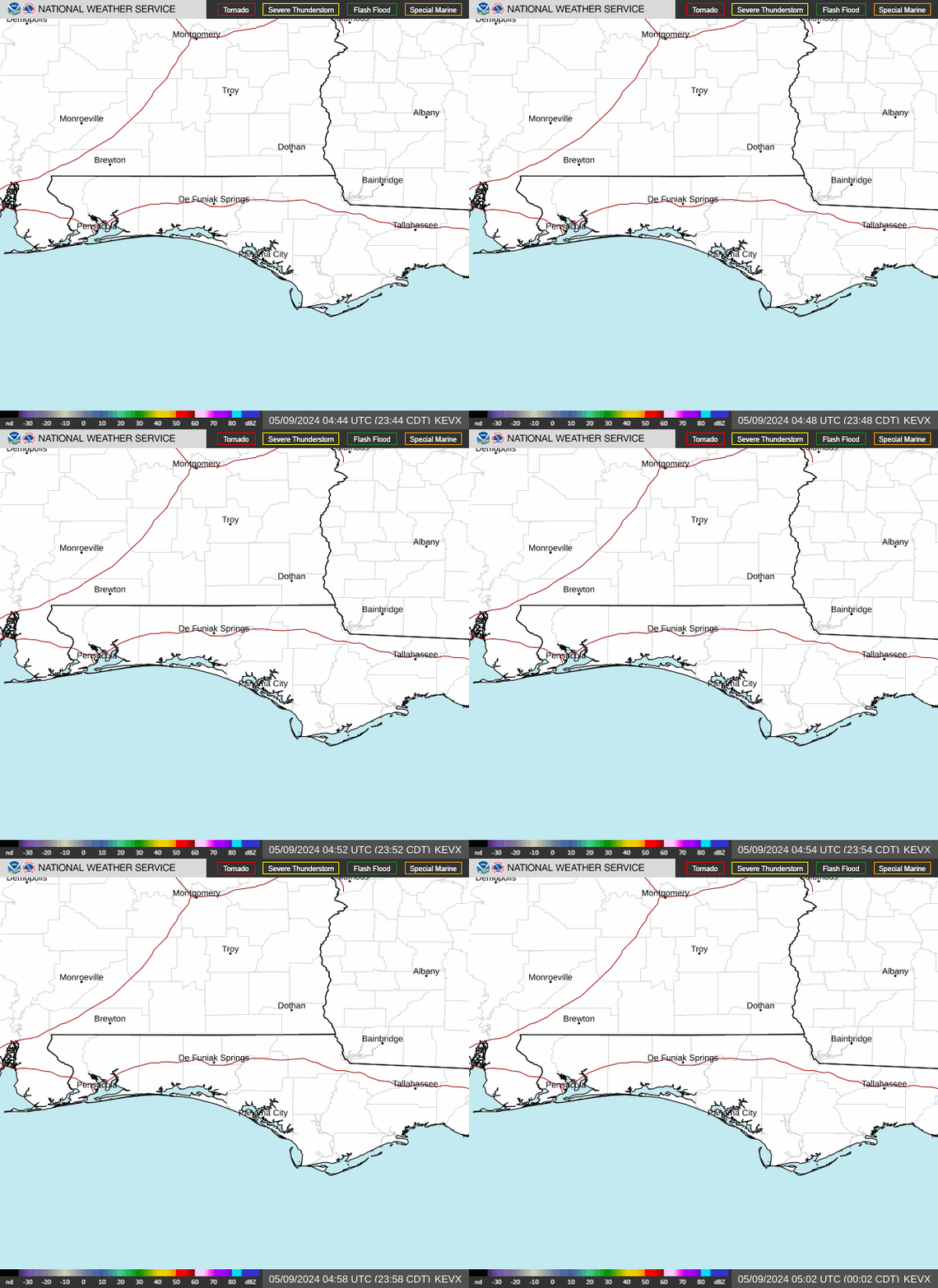
NOAA radar imagery is temporarily unavailable. View the latest weather radar directly through the National Weather Service.
Radar imagery provided by NOAA's National Weather Service. KEVX — Eglin Air Force Base, Florida. Weather imagery may be delayed. Visit weather.gov for official forecasts and warnings.
View Full Interactive NOAA Radar ?This radar loop from the National Weather Service shows recent rain bands over the Florida Panhandle. When a hurricane or tropical storm has moved through your area, that's the time to look for missing shingles, loose flashing, and new ceiling stains.
For official forecasts, watches, and warnings, always follow the National Weather Service and Santa Rosa, Escambia, or Okaloosa County emergency management.
A roof can look fine from the driveway and still have problems. Hurricane winds don't just tear shingles off. They also lift shingles just enough to break the adhesive strip that holds them flat, then let them settle back down. From the ground, nothing looks out of place. The next strong rain finds the gap.
The same goes for flashing around chimneys and walls, the seals around plumbing vents, and the metal drip edge along the eaves. These parts take the brunt of the wind, and when they loosen, water gets under the roofing instead of running off it.
That's why the first sign of hurricane damage is often inside the house: a brown ring on a bedroom ceiling, a damp spot in the attic insulation, or a musty smell that wasn't there before the storm. By then, water may have been reaching the roof deck for days or weeks.
If a hurricane or tropical storm has passed over your area, a professional inspection is the most reliable way to find this kind of damage early. Our roof inspection service checks the roof surface, edges, flashing, and penetrations, along with the attic where access allows.
From the first inspection through the final repair or new roof, here's how we help property owners across Santa Rosa, Escambia, and Okaloosa counties after a hurricane.
A close look at the roof surface, edges, flashing, vents, and attic for wind and water damage. You get a clear explanation of what we found and what it means for your roof.
Roof inspectionsResealing and replacing lifted shingles, re-securing edges and flashing, and repairing damaged sections so the roof sheds water the way it should again.
Storm damage repair in MiltonWe trace the leak to its source, which is often several feet from the ceiling stain, and repair the roof. Our crews carry tarps and temporary sealing materials when a roof needs short-term protection first.
Emergency roof repairsReplacing blown-off or creased shingles with products matched as closely as possible to your existing roof, installed with the fastening the roof needs to stay put.
Residential roofingWhen damage is widespread or the roof was already near the end of its life, a full replacement built to current Florida code may be the better long-term choice.
Roof replacementA check-up before June 1 to catch loose shingles, tired sealant, and weak edges while repairs are simple, and before the next storm finds them.
Schedule a pre-season checkHurricane wind doesn't only push on a roof. As it flows over the house, it pulls upward. That suction is what peels roofs apart, and it is strongest at the edges.
Homes near open water and the sound take the highest sustained winds and the most salt spray. Salt air speeds up corrosion of fasteners, flashing, and metal components, so a roof that looks sound can have weakened attachment points. Waterfront roofs also face the strongest wind-driven rain.
Wind speeds drop as a storm moves inland, but the risk changes rather than disappears. Mature pines and hardwoods around Milton, Pace, and points north mean falling limbs and trees are a leading cause of roof punctures, and long rain bands can test older roofs for hours.
The order matters. These steps keep you safe, limit further water damage, and give you a clear record of what happened.
Be cautious with door-to-door crews who show up after a storm. In Florida, you can verify any roofing contractor's license through the Florida Department of Business and Professional Regulation (DBPR). H.E. Roberts Roofing's license number is CCC 1331119.
There's no automatic answer. A roof with a handful of missing shingles is usually a repair. A roof with widespread lifting, wet decking, or brittle shingles often isn't. The inspection findings decide, and these are the factors we weigh.
| Factor | Usually points to repair | Usually points to replacement |
|---|---|---|
| Extent of damage | Damage limited to one area or a few slopes | Lifted or missing shingles across much of the roof |
| Roof age | Newer roof with plenty of service life left | Roof near or past its expected lifespan |
| Material condition | Shingles still flexible and sealing properly | Brittle shingles that crack when lifted, or no matching product available |
| Water intrusion | Leak caught early with dry, solid decking | Wet, soft, or rotted decking across large areas |
| Structure | Rafters, trusses, and deck intact | Structural damage from fallen trees or prolonged leaks |
| Code requirements | Repair area falls within what Florida code allows to be patched | Code requires the roof section, or the whole roof, to be brought up to current standards |
Florida's building code limits how much of a roof can be repaired before the rest has to meet current code, and a 2022 change to state law affects roofs installed under the 2007 code or newer. Which rule applies depends on when your roof was installed and how much of it is damaged. We'll tell you where your roof stands after the inspection.
No roof is hurricane-proof. How well a roof holds up depends on the whole assembly working together: the deck, underlayment, edge metal, fasteners, and the roofing itself, installed correctly and to code.
Shingles carry wind classifications from standardized testing, such as ASTM D7158 Class H or ASTM D3161 Class F. The rating only holds when the shingles are installed with the manufacturer's required nailing pattern.
Properly fastened metal panels shed wind-driven rain well and resist uplift. Fastener type and spacing matter, especially near salt air on the coast.
Underlayment is the backup layer when shingles are lost. Ask us how double-layer synthetic underlayment helps keep water out during high winds.
Securely fastened drip edge, starter strips set into adhesive, and well-sealed flashing protect the zones where uplift is strongest.
We also install and repair tile roofing and flat roofing systems. Each has its own attachment and drainage details that need to be right for hurricane conditions.
Resealing vent boots, replacing loose shingles, and keeping gutters and valleys clear before hurricane season keeps small weak spots from becoming storm damage.
Hurricane-related roofing problems affect communities across Northwest Florida, from Milton and Pace to the coastal neighborhoods of Gulf Breeze, Navarre, and Pensacola Beach. From our home base in Milton, H.E. Roberts Roofing serves property owners across Santa Rosa, Escambia, and Okaloosa counties with roof inspections, repair recommendations, and roofing solutions after severe weather.
We're locally owned and operated, with our shop on Cedar Tree Drive in Milton. When the storm crews leave town, we're still here to stand behind the work.
Florida Certified Roofing Contractor License #CCC 1331119. You can verify it with the Florida DBPR before you sign anything.
Our installation work is backed by a 7-year workmanship warranty, in addition to any manufacturer coverage on the materials.
We work on homes, commercial buildings, and new construction, with asphalt, metal, tile, and flat roofing systems. Commercial properties have access to 24/7 emergency response.
Our crews carry tarps and temporary sealing materials, so a roof that's open to the weather can be protected while permanent repairs are planned.
We explain what we find and why we recommend it, so you can decide with the facts in front of you.
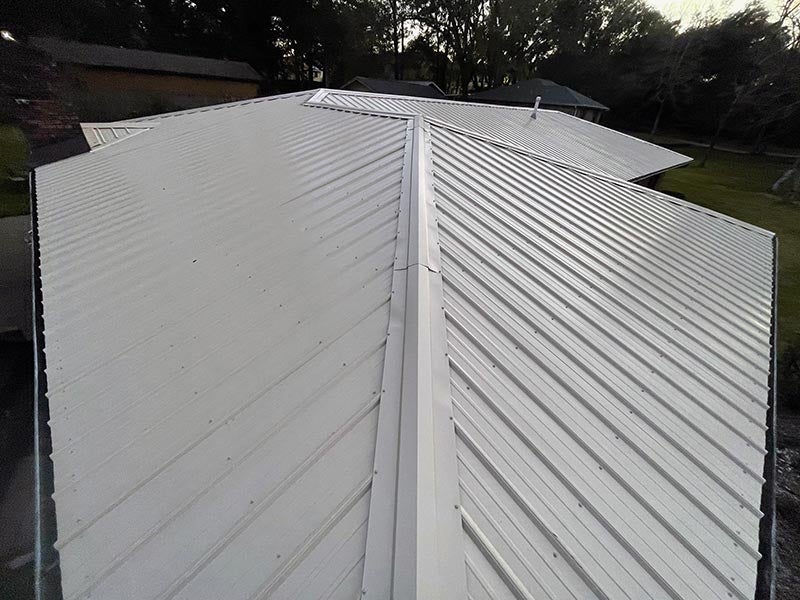
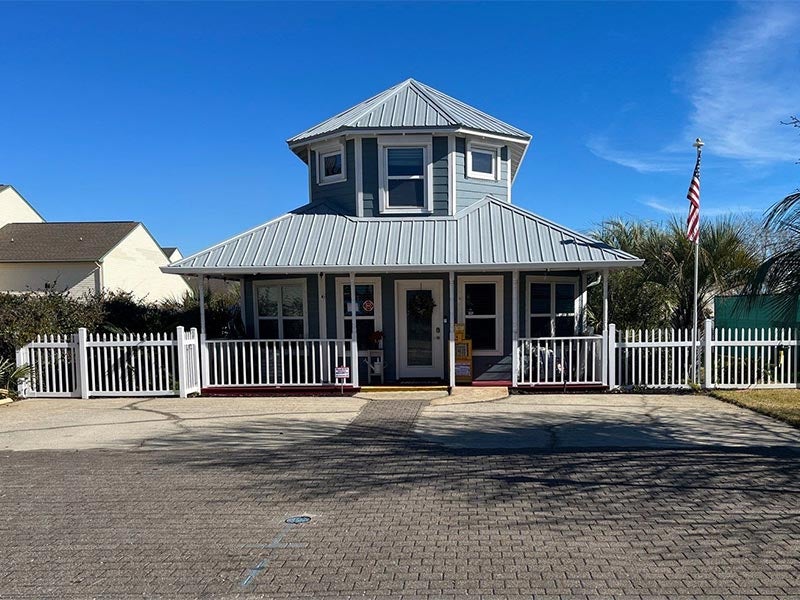
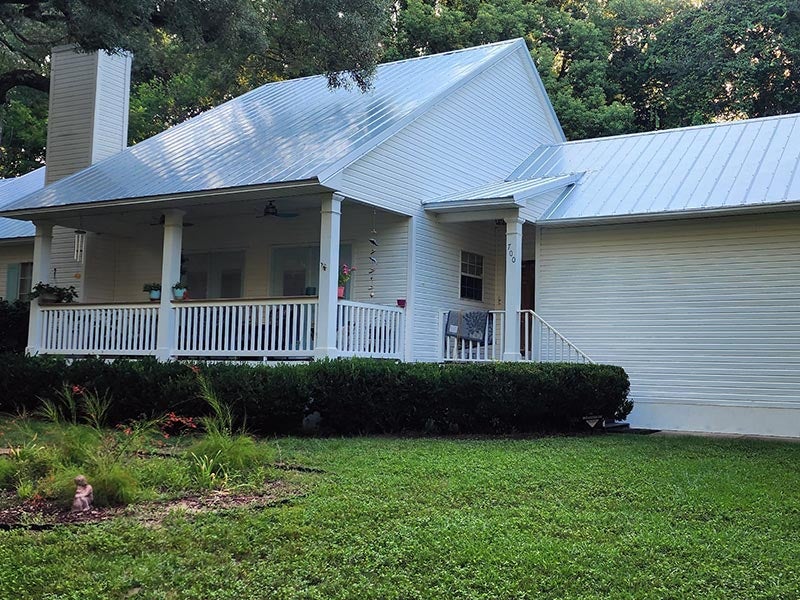
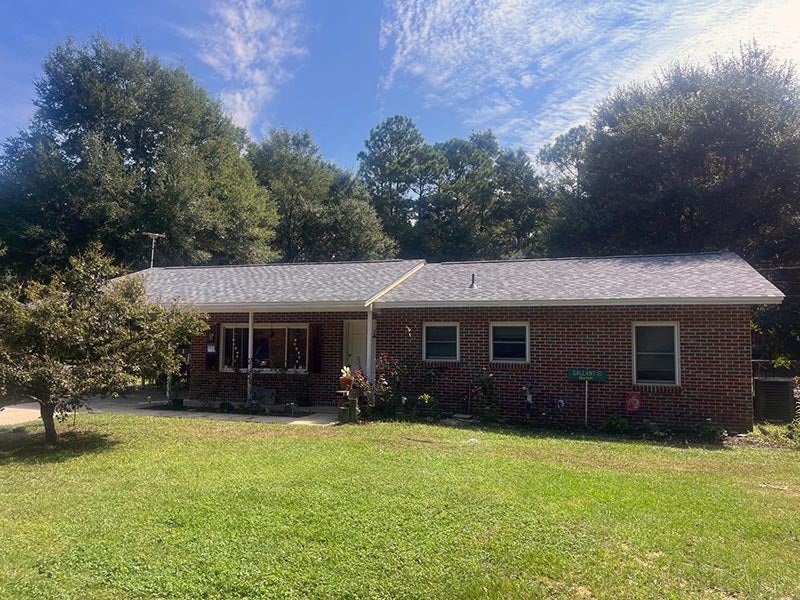
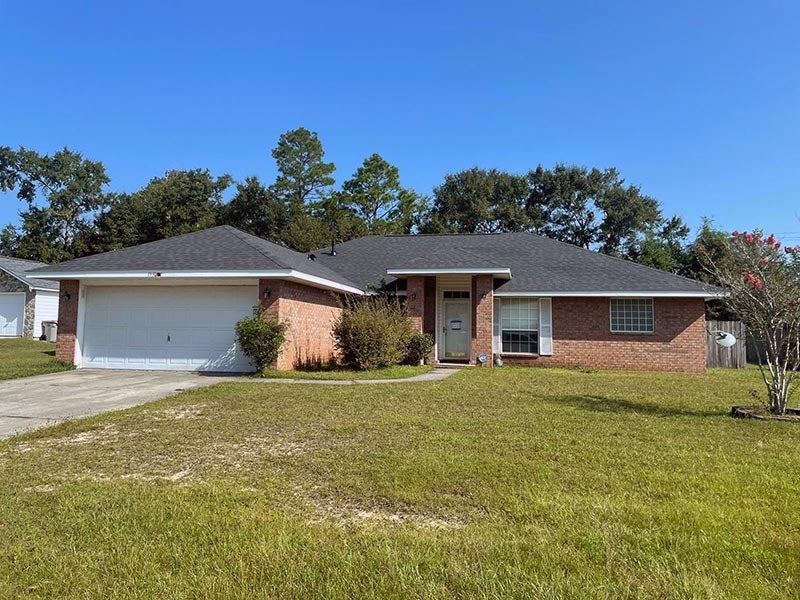
These are completed H.E. Roberts Roofing projects, not stock photos. See more in our project gallery, or read what customers say in our reviews.
Look for missing or creased shingles, shingle pieces or metal in the yard, bent flashing, and debris on the roof. Inside, check ceilings and the attic for stains, damp insulation, or daylight. Many wind problems, like broken shingle seals, can't be seen from the ground, which is why an inspection is worth scheduling after any hurricane or strong tropical storm.
Yes, especially if the storm brought sustained high winds to your area or your roof is more than a few years old. Catching lifted shingles and loose flashing early keeps a small repair from turning into deck rot and interior damage. Schedule it as soon as it's safe, ideally within the first few weeks.
Yes. Wind can break the seal on shingles without removing them, and wind-driven rain gets pushed under them. Leaks also start at flashing, vent boots, and ridge vents that were loosened or overwhelmed by sideways rain.
It depends on how much of the roof is damaged, its age, the condition of the shingles and decking, and what Florida building code requires for your roof. Localized damage on a newer roof is usually repaired. Widespread damage on an older roof often makes replacement the better value. An inspection is the only way to know for sure.
Move belongings out of the way, catch the water, and photograph the leak and any ceiling stains. Stay clear of sagging ceilings and wet electrical fixtures. Then call a licensed roofer. Our crews carry tarps and temporary sealing materials to protect the roof until permanent repairs can be made.
Wind-rated asphalt shingles, properly fastened metal roofing, and correctly installed tile can all perform well. The installation matters as much as the material: underlayment, edge metal, fastening patterns, and flashing all determine how a roof holds up in high wind.
Keep dated photos of exterior and interior damage, receipts for tarps or emergency supplies, the date of the storm, and any written inspection report. Coverage decisions are made by your insurance company under the terms of your policy, so review your policy or call your agent with any coverage questions.
Yes. From our base in Milton, we serve Pensacola, Gulf Breeze, Pace, Navarre, and communities throughout Santa Rosa, Escambia, and Okaloosa counties.
Yes. Older shingles lose flexibility and their adhesive strips weaken over time, so they lift and crack more easily in high wind. The damage often shows up as broken seals and small cracks rather than missing shingles, and it may not leak until the next heavy rain.
Have the roof inspected before June 1. Replace loose or damaged shingles, reseal vent boots and flashing, secure the drip edge, and clean gutters and valleys. Trim limbs that hang over the roof. If your roof is older or due for replacement, planning it outside of storm season usually means better scheduling.
From Milton and Pace to Pensacola, Gulf Breeze, and Navarre, H.E. Roberts Roofing helps Northwest Florida property owners evaluate roof damage and decide on the right next steps.